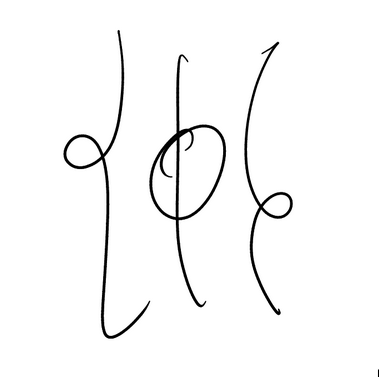
This Nothing That Can Do Everything
The origin of a name. An exploration of the paradox where the void contains everything — between mathematics, quantum physics, and ancient wisdom.
Congratulations, you found a “hidden” page on my site.
Most visitors will never see this. It’s not in the navigation. It’s not in the blog list. You had to click somewhere unexpected, or someone sent you here. Either way — welcome.
I want to tell you about a phrase that hasn’t let me go for a few years now.
Ce Rien Qui Peut Tout. This Nothing That Can Do Everything.
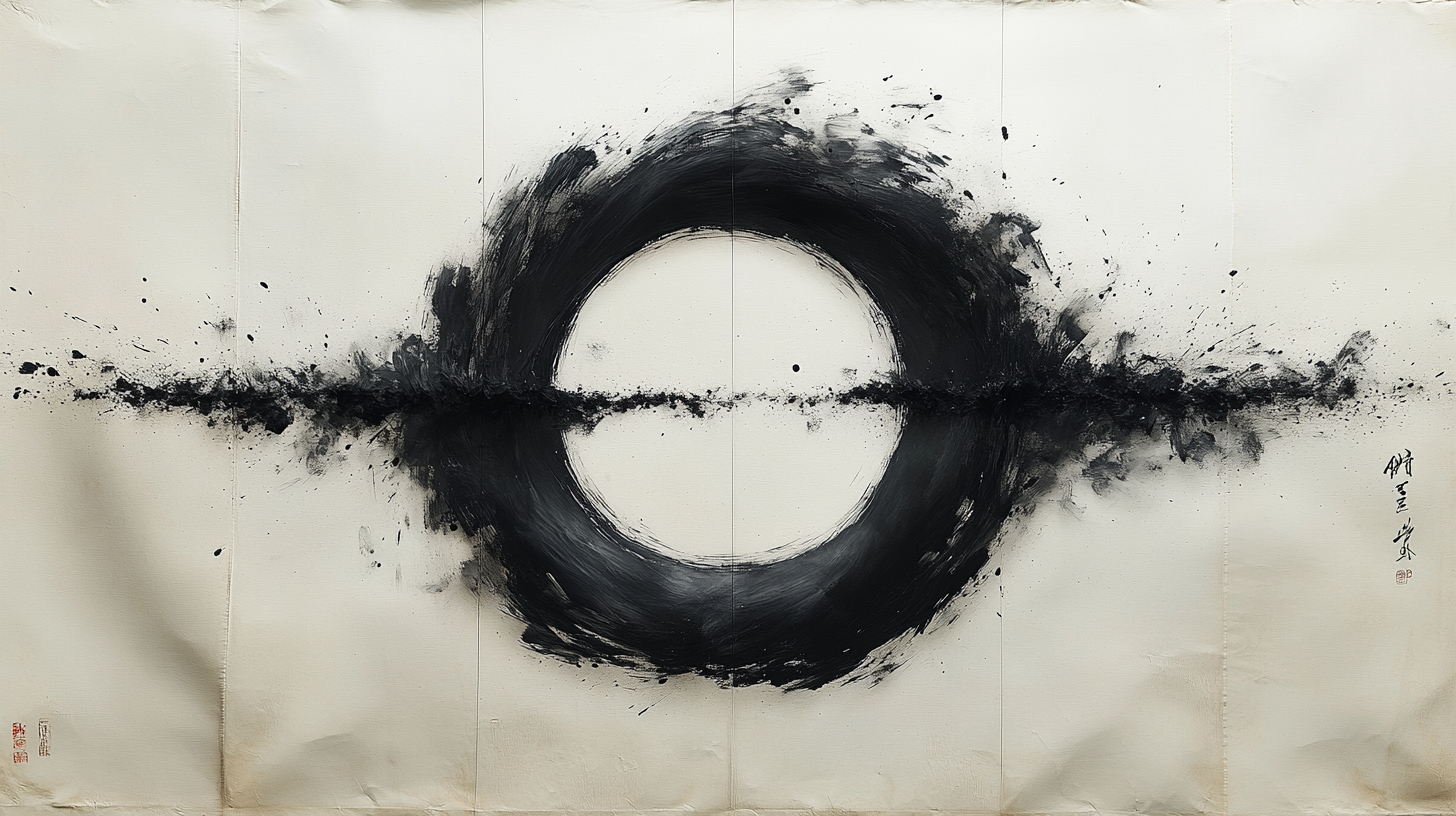
I know it sounds like a contradiction. Nothing, by definition, can’t do anything. Nothing is the void, the emptiness, the zero. But this contradiction only exists in our heads, because in nature, in the Kosmos, the void is full.
Mathematicians discovered this when they tried to build numbers from scratch. They needed a foundation — something to start with. And the only thing they could start with was nothing. The empty set, ∅. From it, they constructed zero, then one, then two, then infinity. A large part of mathematics’ foundations rests on emptiness.
nothing → 0 → 1 → 2 → ∞
The Taoists discovered this through a different path, long before. Chapter 14 of the Tao Te Ching describes something that escapes all definition — form without form, contour without substance. It returns to nothingness, yet it is the source of all things.
Physicists observed it with the energy of the quantum vacuum — the Casimir effect, where two metal plates in a vacuum attract each other under the pressure of invisible fluctuations, and Hawking radiation, where particles spontaneously emerge from nothingness at the event horizon of black holes. The void is not empty. It seethes with potential.
Buddhists also have an expression, in Japanese (my reference comes from Hiroki Endo — take the time to discover the manga Eden: It’s an Endless World!):
色即是空 = 空即是色
SHIKI SOKU ZE KŪ = KŪ SOKU ZE SHIKI
Form is emptiness = Emptiness is form
I rediscovered this through exhaustion, among other things.
Not so long ago, I tried to fill every void. Rest felt like failure. Empty space in my calendar felt like waste. I consumed to fill the gaps — YouTube videos, tasks, noise. And during those periods of “consumption,” I felt empty, numbed.
Conversely, when I allowed myself to do “nothing,” to let boredom keep me company, to give myself permission to contemplate what surrounded me, I felt like the center of an inexhaustible spring. (Has it never happened to you, when you sit there, listless, watching the flames lick the logs in a fireplace?)
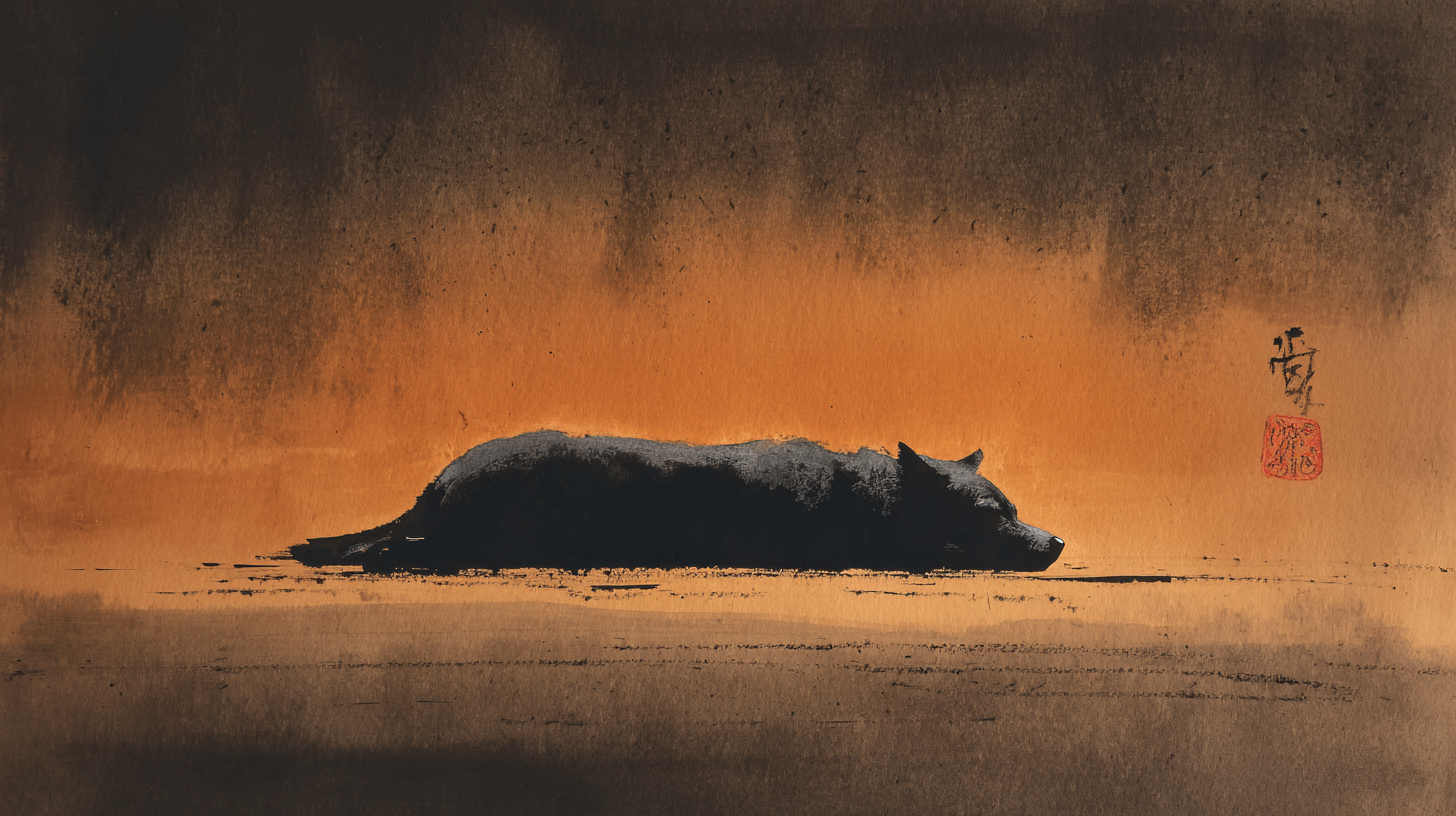
Then, while watching my dog, I think I grasped a few pieces of the answer.
He’s either fully active or fully asleep. No in-between. No half-rest. No pretending. When he plays, he plays completely. When he sleeps, he sleeps with all his being. He doesn’t fill illusory voids with illusory consumption.
And that’s when the phrase took on deeper meaning for me.
Ce Rien Qui Peut Tout. This Nothing That Can Do Everything.
It’s not about doing nothing. It’s about being nothing — empty enough to receive, present enough to act, still enough to see what truly matters. The small actions that seem worthless but compound together to form a whole. It’s about being open to potentialities.
I sign my work “a small piece of this nothing.” It’s not modesty. It’s a way for me to acknowledge my own nature — whether described by physics, mathematics, or a fresh reading of ancient wisdom.
You too are a small piece of this Nothing.
This is not an insult. It’s an invitation.
Even if you’re just a piece of this Nothing, you remain capable of Everything.
So, what will you do with that?